
Dubai’s Short-Term Rental Outlook for 2026: A SmarterPath to Sustainable Returns
As Dubai moves confidently into 2026, the short-term rental sector continues to evolve into one of the city’s most resilient and rewarding real-estate segments. Driven by strong tourism fundamentals, a growing population of global professionals, and steady residential development, the market offers significant opportunities for property owners who approach it with the right strategy. At Nest & Rest, we see 2026 as a year where performance will be defined not just by location—but by quality, service, and intelligent management.
A maturing market with stronger fundamentals
Dubai’s short-term rental market has moved beyond its early growth phase and is now entering a period of maturity. Demand is no longer limited to peak holiday seasons; instead, it is sustained year-round by a diverse mix of leisure travellers, corporate guests, digital nomads, and long-stay visitors. This shift has created a stable environment for furnished rentals that are professionally managed and designed around guest experience.
At the same time, property owners are becoming more data-driven. Pricing strategies, occupancy optimisation, and guest satisfaction now play a larger role in revenue performance than simply listing a unit online. Homes that are thoughtfully furnished, well-maintained, and supported by responsive hosting consistently outperform the market average.
Real estate growth supporting short-term rentals
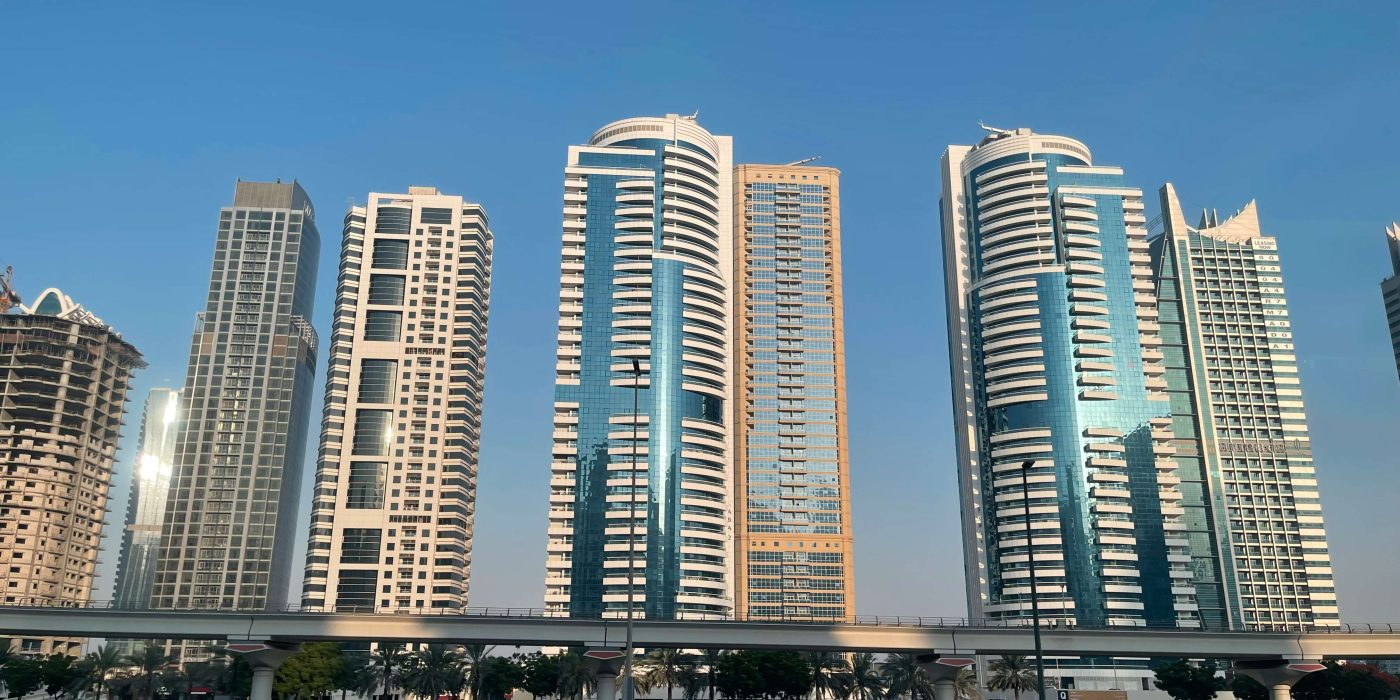
Dubai’s real-estate sector continues to show positive momentum heading into 2026. Established communities such as Dubai Marina, Downtown Dubai, Palm Jumeirah, and Business Bay remain top choices for investors due to their connectivity, lifestyle appeal, and proximity to business and leisure hubs. These areas naturally align with short-term rental demand, making them ideal for flexible rental strategies.
Short-term letting remains attractive because it allows owners to adjust rates dynamically, benefit from seasonal peaks, and retain personal use flexibility if needed. Well-operated apartments in prime locations are expected to achieve average gross rental yields ranging from approximately 5.5% to 7.5%, with premium properties delivering stronger results when managed to high hospitality standards.
Consistent demand from a global audience
Dubai’s tourism outlook remains highly positive. According to the Dubai Department of Economy and Tourism, the city welcomed close to 21 million international visitors in 2025, with forecasts pointing to continued growth in 2026. New airline routes, large-scale exhibitions, and Dubai’s reputation for safety and service excellence continue to attract travellers from across the world.
This sustained inflow supports reliable occupancy levels throughout the year. Properties located near metro lines, business districts, beaches, and major attractions tend to perform best, particularly during high-demand periods such as winter season, global events, and school holidays.
Nest & Rest’s approach for 2026
At Nest & Rest, our focus for 2026 is on creating homes that truly care for guests while delivering consistent financial performance for owners. We combine hospitality-driven operations, smart pricing models, and tailored interior design to match each property’s budget and target audience. Rather than chasing short-term spikes, we prioritise long-term sustainability—strong occupancy, positive guest reviews, and protected asset value.
For owners who understand the evolving market and partner with experienced operators, Dubai’s short-term rental sector in 2026 offers more than income. It offers stability, flexibility, and a future-ready investment in one of the world’s most dynamic cities.